
Music Marketing Companies: How to Choose the Right Partner in 2026
The landscape of music promotion has transformed dramatically. Where artists once relied on physical distribution and radio pitches, today’s independent musicians navigate a data-driven ecosystem dominated by streaming algorithms, social media virality, and targeted digital advertising. Finding the right music marketing company can mean the difference between obscurity and sustainable growth—but with hundreds of options promising results, how do you separate legitimate partners from those who waste your budget?
Key Takeaways
- Music marketing companies help independent artists, labels, and managers promote releases in an increasingly data-driven music industry. These specialized firms plan and execute campaigns across streaming platforms, social media, press outlets, and radio to build sustainable awareness.
- No single “best music marketing company” exists for everyone. The right choice depends on your career goals, budget, and whether you need PR, radio campaigns, playlist pitching, digital marketing, or artist development services.
- Music promotion in 2026 is built around streaming, social platforms, and digital marketing channels like Google Ads and Meta ads. However, traditional PR and radio promotion remain powerful when used strategically alongside digital tactics.
- Tools like the Indie Bible Online Database save time and money by helping artists quickly find vetted, relevant marketing companies worldwide. With over 1,500 pages organized by genre and geography, it provides contacts for blogs, radio stations, and promoters across 100+ countries.
- This article provides concrete examples, selection criteria, and a practical step-by-step plan for artists to move from confusion to an actionable marketing strategy that aligns with their career goals.
What Is a Music Marketing Company in Today’s Music Industry?
A music marketing company is a specialized agency or service that plans and runs campaigns to get more people to hear your music, follow your profiles, and support your career over time. Music marketing is a broad term that can mean different things to different people, often depending on the specific goals and strategies of the artist or label involved.
Music marketing encompasses a variety of tactics aimed at bringing music to a wider audience, including digital marketing, public relations, and promotional campaigns. Modern firms combine classic music PR—press coverage, reviews, and interviews—with digital tactics like social media ads, Google Ads, YouTube campaigns, and platform-specific approaches for Spotify playlists, TikTok creators, and Apple Music features.
The distinction between full-service agencies and niche specialists matters significantly:
- Full-service agencies handle everything from PR and radio to digital ads and artist development, typically charging $5,000–$20,000 per campaign
- Niche specialists focus on one area—like Spotify promotion, sync licensing, or social media strategy—often at lower price points
- Self-service platforms provide automated tools for playlist pitching and ad management at budget-friendly rates
The core challenge these companies solve is discoverability. According to Spotify’s 2025 Loud & Clear report, only 0.2% of tracks surpass 1,000 daily streams without promotion. Music marketing companies develop and execute promotional campaigns to increase awareness of an artist’s work, which may involve press releases, media coverage, and social media ads.
Common music marketing tactics include playlist pitching, social media advertising, and influencer marketing, which are designed to increase visibility and engagement with new audiences. The most common tactics for music marketing are aimed at reaching listeners who haven’t yet heard the artist’s music.
Major Types of Music Marketing Companies and Services in 2026
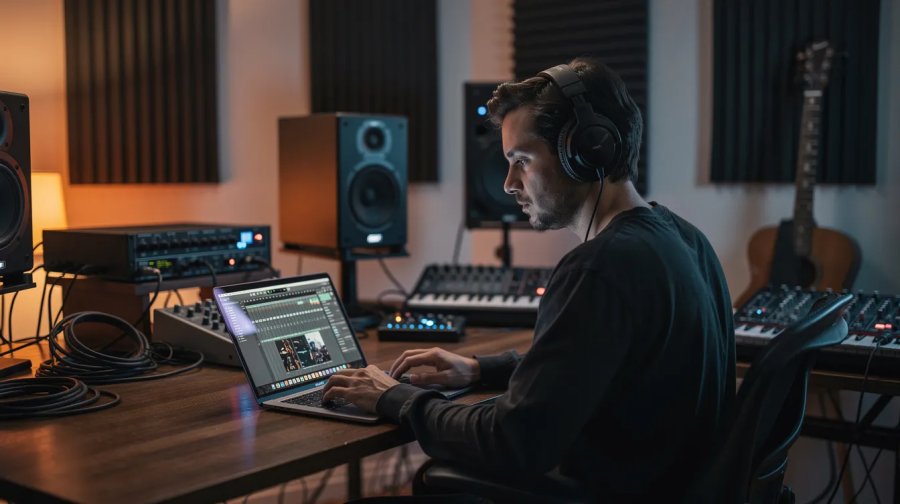 In 2026, most marketing partners fall into practical categories based on their specialization. Understanding these categories helps you match services to your specific needs.
Playlist Promotion Companies
Playlist promotion companies focus on Spotify, Apple Music, and Deezer curator outreach. Legitimate services emphasize organic playlists with real listeners, where successful campaigns can yield 50,000–500,000 verified streams at $300–$1,500 per song.
Effective music promotion strategies often involve a combination of organic growth tactics, such as playlist pitching and social media engagement, to build a sustainable audience. Key metrics for success include save rates (ideally 10–20%) and skip rates under 30%. Targeted outreach in music marketing tailors efforts to specific genres and target audiences.
Notable platforms include:
- SubmitHub: $1–2 per feedback credit with 25% acceptance rates for quality tracks
- Groover: 1 million+ curator partnerships with 30% placement rates for indie electronic acts
- Playlist Push: Organic playlist placements with transparent reporting
Digital Marketing and Ad Agencies
These agencies run Meta (Facebook and Instagram) ads, Google Ads (YouTube, Search, Display), and TikTok Spark Ads to drive streams, pre-saves, and fan signups. Digital advertising campaigns involve designing and managing paid promotions across platforms like Meta, Google, and TikTok to drive traffic to music links and presave campaigns.
A $1,000 Meta campaign targeting fans of comparable artists can generate 10,000–50,000 streams, with ROAS (return on ad spend) hitting 3–5x for viral tracks. Utilizing targeted advertising on platforms like Facebook and Instagram can effectively drive new listeners to an artist’s music, supporting discovery and engagement over time.
Music PR Firms
Music PR firms secure online reviews, interviews, podcasts, and features in media outlets ranging from indie blogs to major magazines. Public relations in music marketing involves crafting narratives and press releases to build credibility and buzz for artists.
Campaigns typically run 4–12 weeks, with a 2025 Substream Magazine analysis showing that features in outlets like Pitchfork or Rolling Stone can boost streams by 20–50%. However, saturated inboxes mean only 10–15% of pitches land, per a 2025 DIY Musician survey.
Radio Promotion Companies
Radio promotion persists for touring acts, with companies pitching to 1,500+ college and non-commercial stations. High-touch services offered by music marketing agencies include press outreach, brand strategy, digital ad management, and radio plugging.
Radio campaigns yield 500–5,000 spins per campaign at $500–$3,000, particularly effective for Americana and hip hop genres where Triple A airplay correlates to 15–25% ticket sales uplift.
Sync Licensing Specialists
Sync licensing firms pitch songs for film, TV, games, and ads, typically on a 20–50% commission basis. Placements in Netflix shows or advertisements can pay $5,000–$50,000 per sync plus residuals, though success rates hover at 1–5% due to oversupply.
Artist Development Consultancies
These consultancies audit branding and fan journeys upfront, using tools like Chartmetric for audience insights. They help define content calendars that boost retention by 40%, according to a 2026 YouTube webinar on marketing mistakes.
Music marketing companies for independent artists offer services ranging from playlist pitching and public relations to social media strategy and influencer campaigns. Reputable music marketing companies and PR agencies are divided into traditional full-service agencies and automated self-service platforms. Traditional full-service agencies manage comprehensive rollout campaigns, while automated self-service platforms focus on data-driven, budget-friendly playlisting and ad management.
How to Choose the Best Music Marketing Company for Your Career Goals
Artists should treat themselves as the CEO of their music business and select marketing partners based on clear, written goals rather than hype. The top music marketing companies aren’t necessarily the biggest—they’re the ones that match your specific situation.
Define Specific Objectives
Before approaching any music marketing agency, articulate SMART goals:
- “Grow monthly Spotify listeners from 5,000 to 20,000 in 90 days”
- “Sell 500 vinyl preorders for my upcoming album”
- “Book a 15-date regional tour in 2026”
- “Get coverage in 10 music blogs within my genre”
Effective social media marketing requires a strong song, clear branding, and a simple conversion path to guide new listeners on what to do next.
Match Goals to Services
| Goal | Best Service Type |
|---|---|
| Credibility and press quotes | Music PR firms |
| Streaming volume growth | Playlist promotion companies |
| Touring support | Radio promotion |
| Measurable conversions | Digital marketing agencies |
| Long-term revenue | Sync licensing specialists |
| Brand clarity | Artist development consultants |
Evaluation Criteria
When vetting potential partners, consider:
- Genre fit: Does the company have experience with your specific genres?
- Artist size: Do they typically work with DIY artists or established artists with 100k+ followers?
- Budget ranges: Are their services within your realistic spending capacity?
- Case studies: Can they show verifiable results with similar artists?
- Transparency in marketing: Do they provide reporting and clear, communicative strategies?
- Bot avoidance: Do they explicitly reject fake streams?
Red Flags to Avoid
Guaranteed follower counts, suspiciously cheap “millions of streams,” no real contact info, and companies unwilling to explain their methods in plain language should all raise concerns. Spotify banned over 1,200 fake playlist networks in 2025 alone, per their developer blog.
Artists should focus on building a credible online presence with clean profiles and consistent content to maximize their social media marketing efforts. Use independent resources like the Indie Bible to cross-check agency reputations, locate companies by genre and country, and avoid wasting budget on unproven firms.
Examples of Music Marketing Approaches Used by Leading Companies

While company names and offerings differ, effective firms in 2024–2026 rely on a set of proven, concrete tactics. Music marketing companies assist musicians in reaching their target audience by utilizing data-driven audience profiling, strategic digital advertising, and curated playlist pitching.
Playlist-Driven Campaigns
Effective playlist campaigns include:
- Song screening: Testing tracks via A/B testing across moods and genres
- Targeted placement: Focusing on niche playlists that match the song’s mood and energy
- Monitoring metrics: Tracking 15–25% save rates as success indicators
- Quality control: Removing songs from suspicious lists to protect artist accounts
Music promotion campaigns work best when they amplify a clear and consistent brand message, ensuring that new listeners understand the artist’s identity and music style.
Digital Marketing Funnels
Serious agencies construct funnels that convert impressions into meaningful actions:
- Run Meta or Google Ads to a landing page
- Capture emails or SMS signups (achieving 20–30% opt-in rates)
- Direct new fans to Spotify, Apple Music, or Bandcamp
- Nurture relationships through email sequences
This approach yields 4x higher lifetime value than stream-only campaigns. Effective music marketing strategies often involve a combination of organic growth methods and paid advertising to maximize reach and engagement across various platforms.
PR Campaign Structures
Common PR campaign elements include:
- 8–12 week timelines with phased outreach
- Press release creation tailored to each outlet
- Targeted outreach to blogs, podcasts, and YouTube channels (50–100 personalized pitches)
- Social proof integration using coverage on artist websites and EPKs
Coverage in tier-one outlets can improve ad performance by 25% through social proof.
Data-Driven Decision Making
Better agencies integrate analytics to refine targeting:
- Using Spotify for Artists data to geo-target (e.g., doubling down on US South for country music)
- Marketers use listener metrics across platforms like Spotify and Apple Music to build listener personas for targeted audience outreach
- Reviewing performance weekly and pivoting from low-performers
- Tracking conversions through proper pixel implementation
Social media marketing is essential for artists to turn attention into fans by creating consistent content and a clear story. Collaborations in music marketing facilitate partnerships that introduce musicians to new, overlapping fanbases.
Integrated Artist Development
Top firms audit branding, visuals, and release strategy first, then design campaigns that support long-term positioning instead of one-off spikes. This approach within the creative process ensures marketing amplifies rather than confuses an artist’s identity.
Why Independent Artists Still Need Their Own Strategy (and How Indie Bible Helps)
Even with a great agency, independent artists and indie labels need a clear, personal strategy so that every dollar spent on marketing aligns with long-term career goals. Relying on a single company’s catalog of services can create blind spots—artists benefit from seeing the wider landscape of marketing companies, blogs, radio stations, and playlists available to them.
The Indie Bible Advantage
The Indie Bible has served independent musicians since the late 1990s, providing a comprehensive digital resource specifically built for artists of all genres. Our mission is to provide essential resources to help advance your music career.
Key features of the Indie Bible include:
- Over 1,500 pages organized into 16 sections by genre and geographic location
- Searchable Online Database with 10,000+ global contacts updated quarterly
- Coverage across 50+ genres and 100+ countries
- Contacts for blogs, radio stations, labels, and promoters all in one place
- Instant download as an e-book (PDF) accessible on any device
The Indie Bible Online Database lets artists quickly search thousands of promotion outlets, marketing companies, radio stations, and reviewers worldwide—filtering for those that match their specific needs.
Combining DIY with Agency Partnerships
We provide resources that help you stretch limited budgets and retain control of your independent music career. A 2025 user survey found that 65% of Indie Bible users found placements within weeks of outreach.
Consider a hybrid approach:
- Use Indie Bible contacts for DIY outreach to blogs and radio shows (70% of effort)
- Allocate 10–30% of budget to specialized agencies when scale or expertise is needed
- Manual outreach to curated contacts often outperforms automated spray-and-pray tactics
This combination can stretch your budget 3–5x while maintaining control over your music career direction.
Step-by-Step: Building a Data-Driven Music Marketing Plan in 2026

Before hiring any marketing companies, artists should map out a simple, data-driven plan around a single release or campaign. Community building in music marketing includes using email marketing campaigns, text marketing lists, and exclusive content offerings to foster long-term fan loyalty.
Step 1: Audit Your Current Position
Review existing catalog performance using platform analytics:
- Streams and save rates on streaming platforms
- Follower counts and engagement rates
- Email list size and open rates
- Show history and ticket sales
- Identify strong points (songs that get music heard) and weak spots (low save rates signal weak hooks)
Step 2: Choose One Priority Release
Select a single, EP, or album and set time-bound goals:
- Pre-release phase (6–8 weeks out): Teasers, pre-saves via Feature.fm (10–20% conversion rates typical)
- Launch week: PR and radio burst, playlist pitching
- Post-release (4–8 weeks): Ad campaigns for sustained Spotify growth and fan signups
Step 3: Assign Roles and Resources
Determine what you’ll handle versus outsource:
| Task | DIY or Outsource | Tools/Resources |
|---|---|---|
| Social posts, content creation | DIY | Buffer, Canva |
| Email newsletters | DIY | Mailchimp, ConvertKit |
| Blog and radio outreach | DIY or hybrid | Indie Bible contacts |
| Playlist pitching | Either | SubmitHub, Groover, or Playlist Push |
| PR for 8 weeks | Outsource when ready | View Maniac, Cyber PR, Starlight PR |
| Ad campaigns (Meta, TikTok promotion) | Either | Learn basics or hire boutique firm |
A music submission platform with a credit system can help you get guaranteed feedback from curators while testing your music’s appeal.
Step 4: Track Key Metrics Weekly
Monitor 3–5 KPIs to guide adjustments:
- Spotify monthly listeners (target: 20% growth per release cycle)
- Email subscribers (target: 500 adds over campaign period)
- YouTube watch time for any music video content
- Pre-save counts or ticket sales
- Save rates on new releases (benchmark: 10–20%)
Step 5: Conduct Post-Campaign Review
Document what worked and what didn’t:
- Calculate actual ROI (e.g., $2k PR yielding $10k merch if lifetime value exceeds $20/fan)
- Note which media outlets delivered real streams versus vanity metrics
- Identify how to spend money more effectively next time
- Refine your digital strategy for the next release cycle
Artists build sustainable careers through consistent releases and repeated campaigns—plan marketing at least 6–8 weeks before each release date.

Frequently Asked Questions About Music Marketing Companies
How much should independent artists budget for music marketing in 2026?
Realistic budgets vary by region and genre, but for independent artists a common range per release is roughly $300–$1,000 for DIY-heavy campaigns and $1,000–$5,000+ when hiring established agencies. DIY budgets might include SubmitHub credits ($50–200), Hypeddit presaves, and small Meta ad tests.
Spending should be proportional to potential lifetime value of new fans and your current stage. First campaigns often focus on testing small spends and learning before scaling up. Prioritize essentials—great music, strong visuals, distribution, and basic paid advertising or PR—over vanity metrics. Use tools like the Indie Bible to reduce trial-and-error costs and generate revenue more efficiently.
Are Google Ads and other digital ads worth it for promoting independent music?
Google Ads can be powerful when used to drive highly targeted campaigns to YouTube videos, artist websites, or pre-save pages. YouTube campaigns average 10% view-through rates when video hooks hit 15-second retention. Combined with proper audience targeting and conversion tracking, digital advertising delivers measurable results.
Ads are most effective when artists already have strong creative assets (music video content, landing pages, clear offers) and when results are measured in meaningful actions—not just impressions. Either learn basic campaign setup yourself or work with agencies that share transparent ad data, avoiding any marketing company that refuses to disclose how ad budgets are spent through their own ad campaigns.
How do I know if a playlist or promotion service is using bots?
Warning signs include:
- Extremely low listener engagement (almost no saves despite high stream counts)
- Less than 5% save rates paired with high streams
- Streams from countries that don’t match your targeting (e.g., 80% from Vietnam for a US artist)
- Sudden spikes followed by sharp drops
Legitimate organic music promotion campaigns show gradual growth, normal listening behavior, and spillover into algorithmic playlists like Discover Weekly or Release Radar. Research services via reviews, industry forums, and databases like the Indie Bible. Avoid any company promising guaranteed “millions of plays” through real streams at unrealistically low prices.
Do I really need a music marketing company, or can I do everything myself?
Many indie artists successfully start with DIY promotion, especially for early releases. Learning basic PR outreach, social media management, influencer partnerships, and ad testing on a small scale builds valuable skills. Social media strategy combined with consistent content creation can increase awareness significantly without agency involvement.
Marketing companies become valuable when time is limited, campaigns require artist management scale, or specialized expertise (national radio or major press through media relations) is needed. A hybrid approach often works best: use resources like the Indie Bible to run your own campaigns where possible, and selectively hire agencies when you can articulate clear goals, expectations, and success metrics through a strong presence in your planning.
How long does it take to see results from a professional marketing campaign?
Most serious campaigns run 4–12 weeks minimum. Streaming and social growth often appear in the first month (30–50% gains typical), while deeper career impacts—touring opportunities, sync licensing placements, sustainable fanbase growth—take several release cycles to materialize.
Avoid expecting overnight success. Sustainable results come from consistent releases, repeated campaigns, and continual refinement based on data rather than one big push. Multi-release cadences (4 per year) can compound 100–300% year-over-year growth. Plan marketing at least 6–8 weeks before release dates, and think in terms of multi-release strategies that carry you through 2026 and beyond. Influencer marketing, playlist curators relationships, and media outlet coverage all compound over time when you provide feedback loops into your strategy.